SHCI runs 9 integrated program areas plus our annual Ubuntu Health Fellowship — each designed so that every action we take for the environment also creates a direct benefit for community health, and vice versa.
Five programs protecting Tanzania's ecosystems, reducing pollution, and building long-term climate resilience in communities.
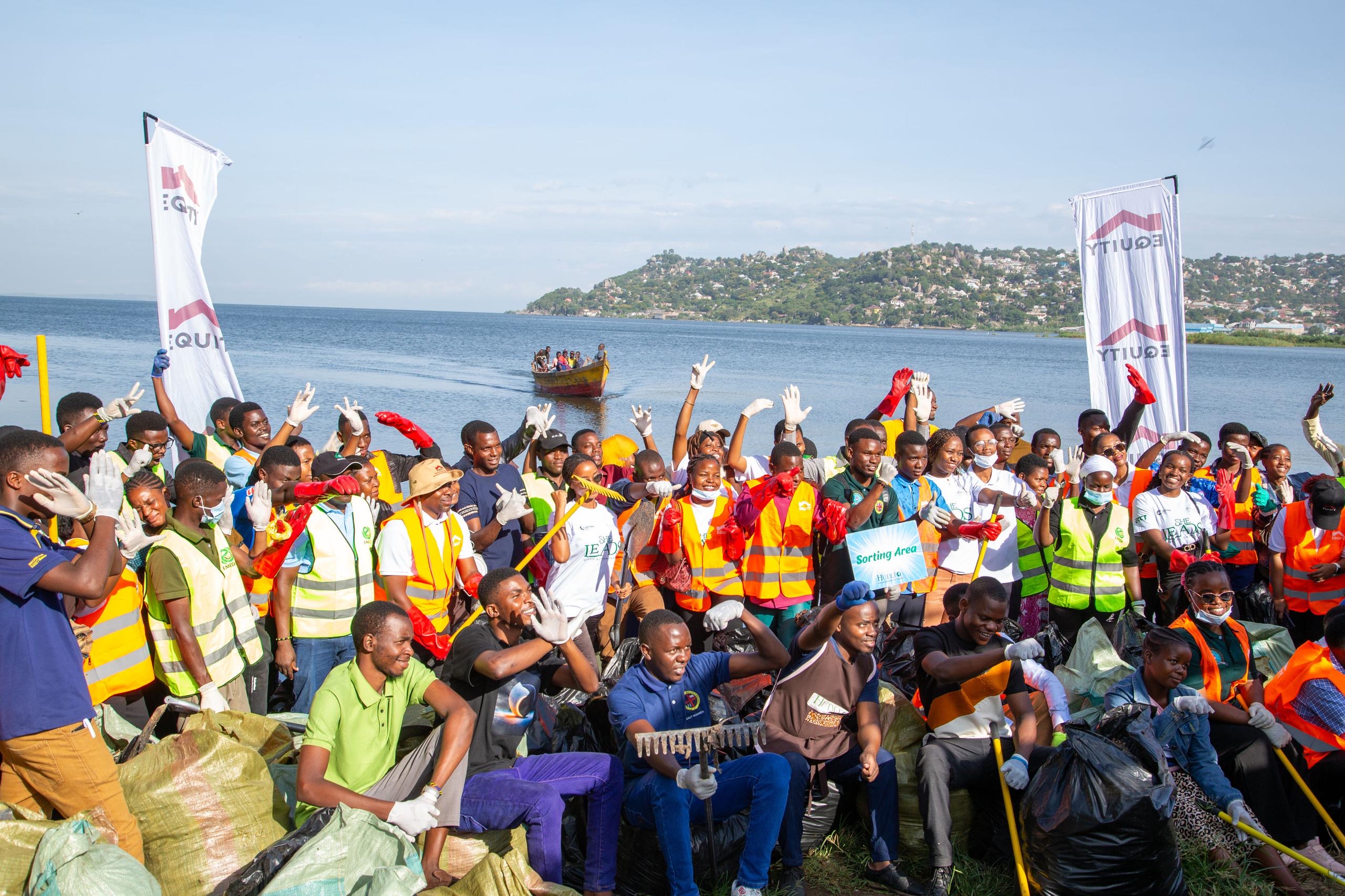
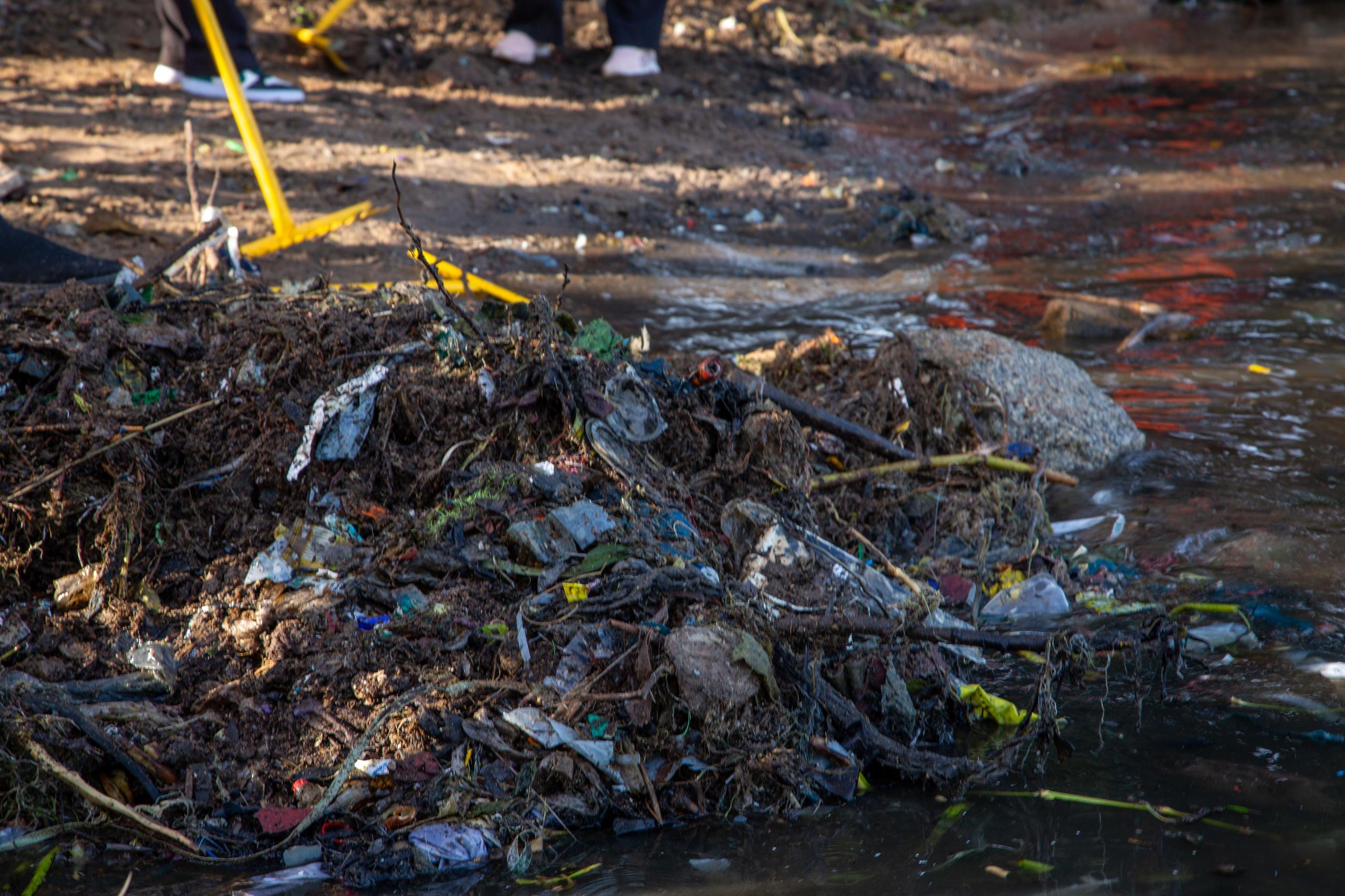
Community-led waste collection, plastic reduction campaigns, and environmental clean-up operations targeting Mwanza's waterways, public spaces, and Lake Victoria's shoreline.
Health Co-Benefit: Cleaner waterways reduce waterborne disease rates and toxic chemical exposure in communities that depend on Lake Victoria.
Active
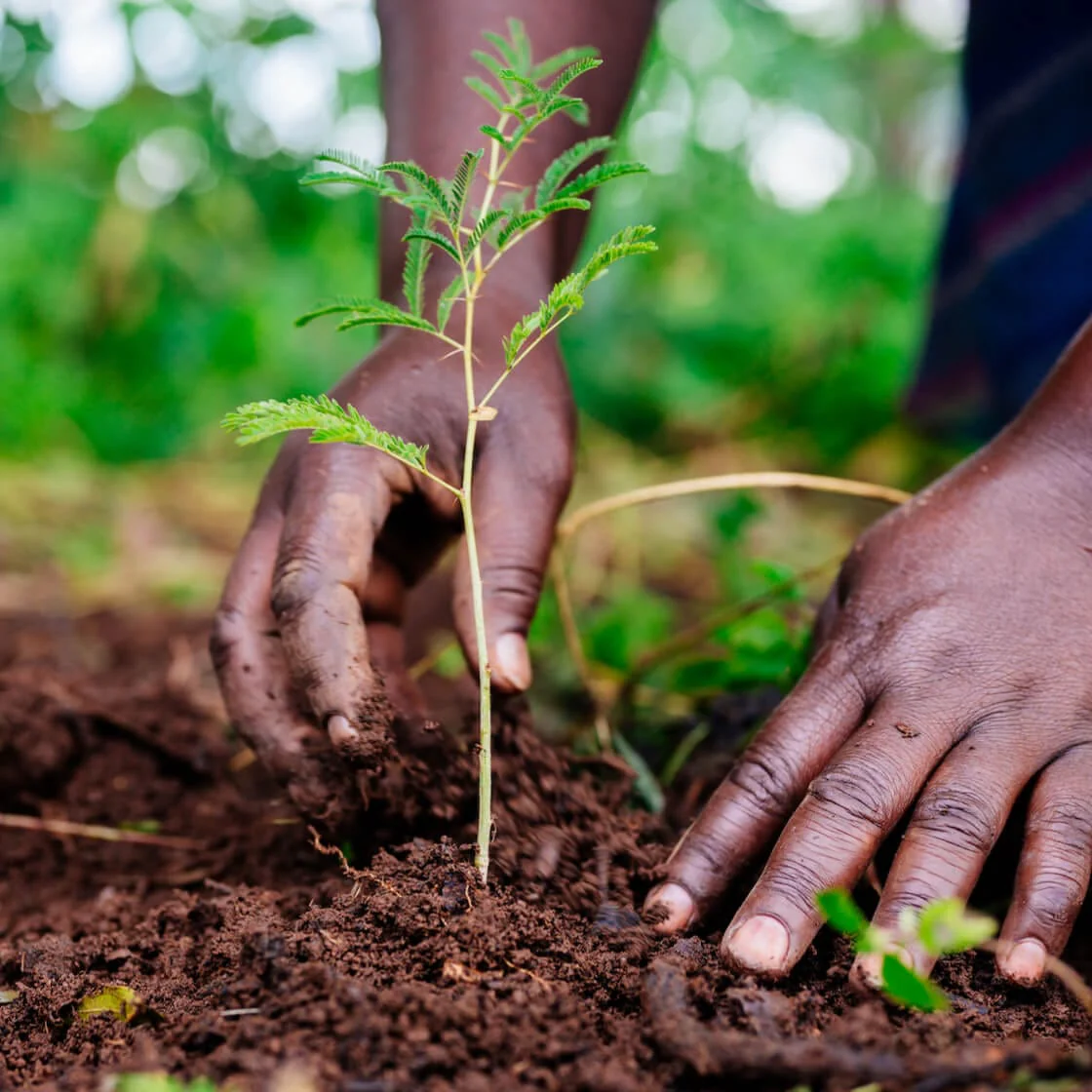
Reforestation and afforestation initiatives across Mwanza region — establishing seedling nurseries, organising community planting drives, and restoring degraded land and forest ecosystems.
Health Co-Benefit: More trees mean cleaner air, cooler temperatures, and better water quality — directly reducing respiratory and heat-related illness.
Promoting clean cookstoves and sustainable energy solutions to replace traditional open-fire cooking — protecting forests from over-harvesting and protecting families from indoor air pollution.
Health Co-Benefit: Indoor air pollution from cooking fires is a leading cause of respiratory disease. Clean cookstoves protect women, children, and the elderly most at risk.
SHCI's newest and most distinctive initiative: creating and distributing biodegradable, eco-friendly menstrual pads for girls and women in underserved communities across Tanzania. This project sits at the powerful intersection of gender equity, climate action, and health.
Climate Co-Benefit: Conventional pads contain plastics that persist for 500+ years in landfills and waterways. Our eco-pads offer a sustainable alternative that protects Tanzania's environment.
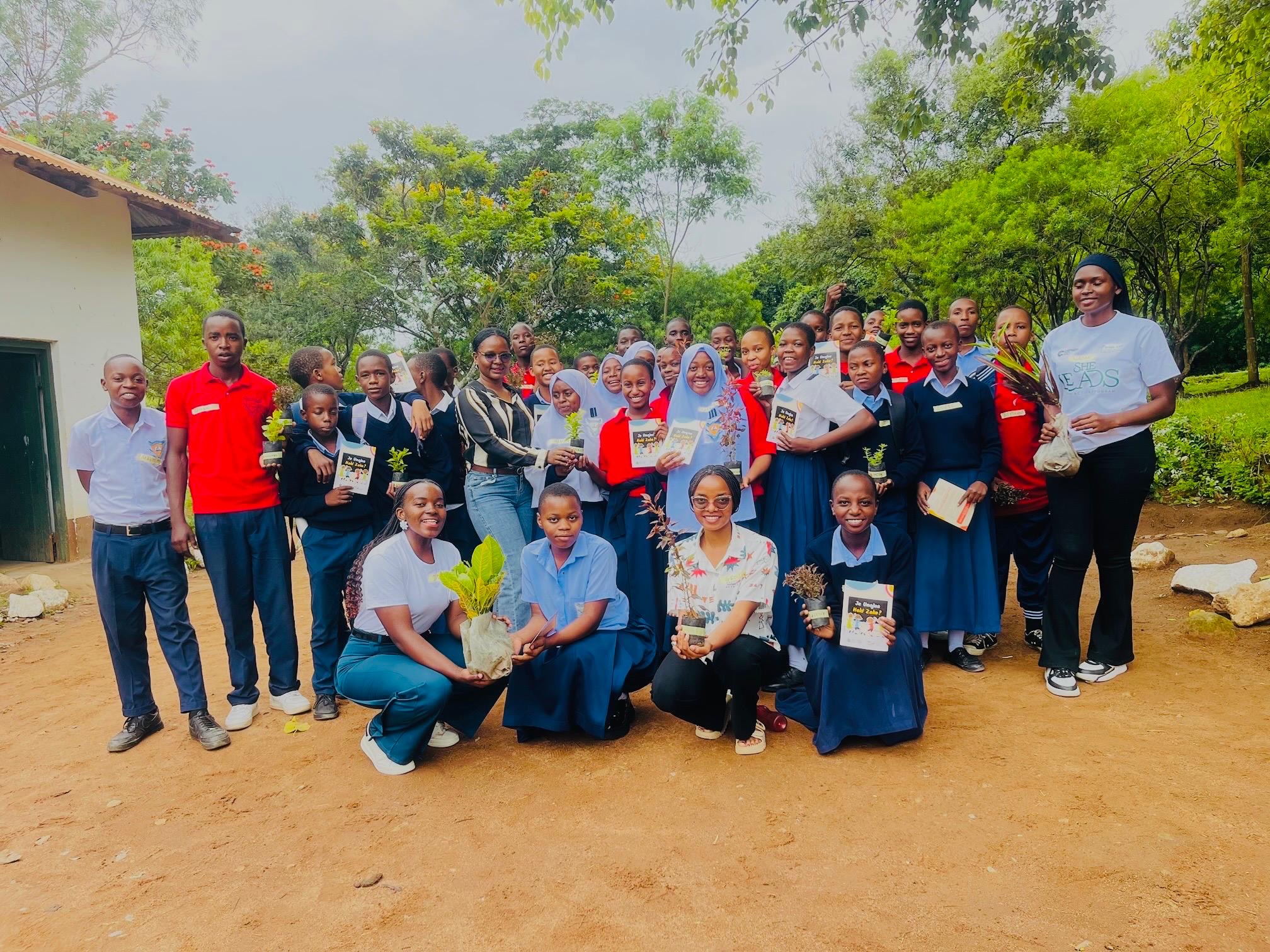
Virtual awareness and education sessions on environmental conservation, climate change, and sustainable practices — reaching participants across Tanzania and the diaspora.
Health Co-Benefit: Webinars cover climate-health connections, preparing communities to recognise and respond to climate-related health risks.
Four programs bringing essential health services, education, and disease prevention to underserved communities across Tanzania.
Active
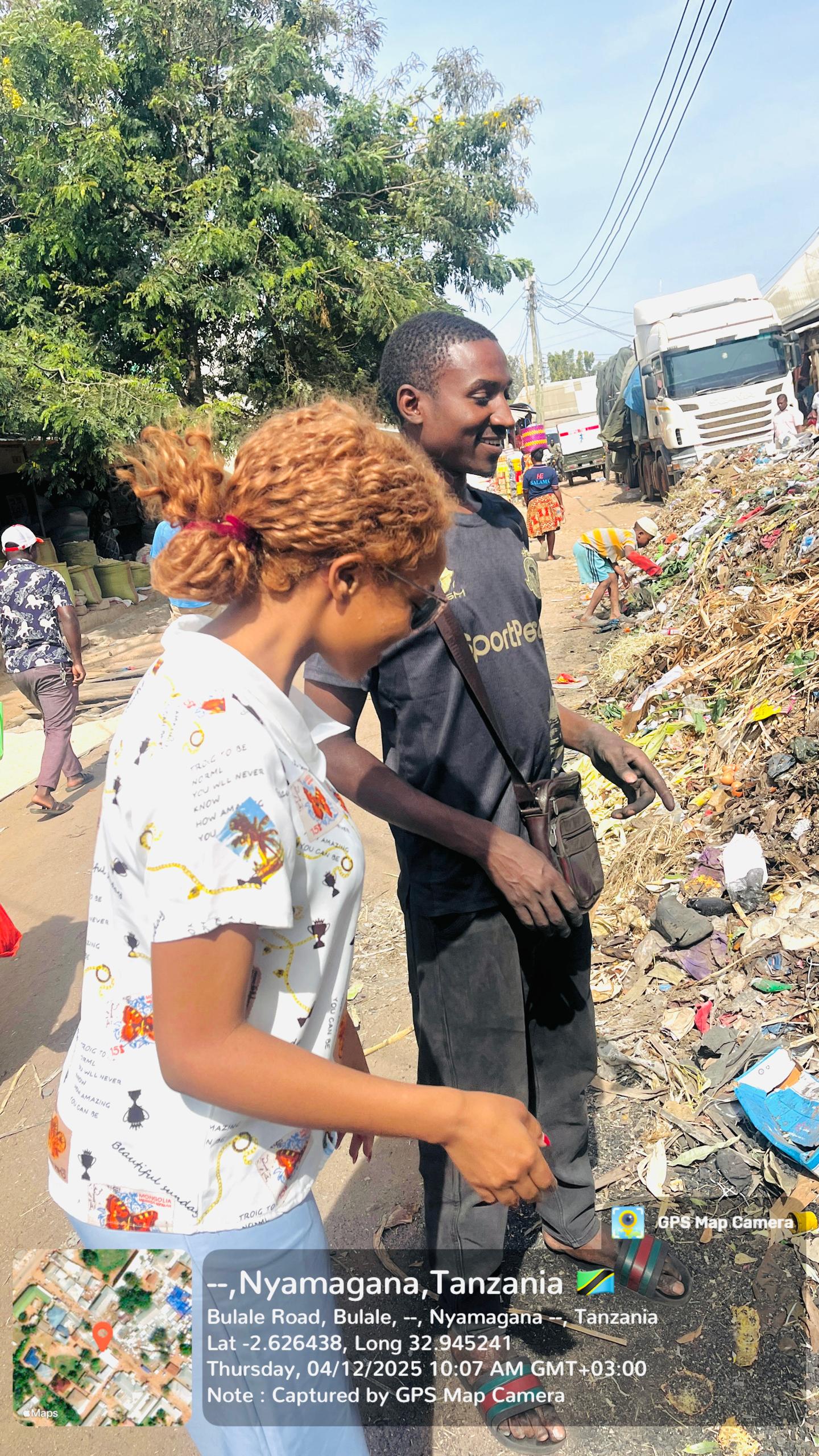
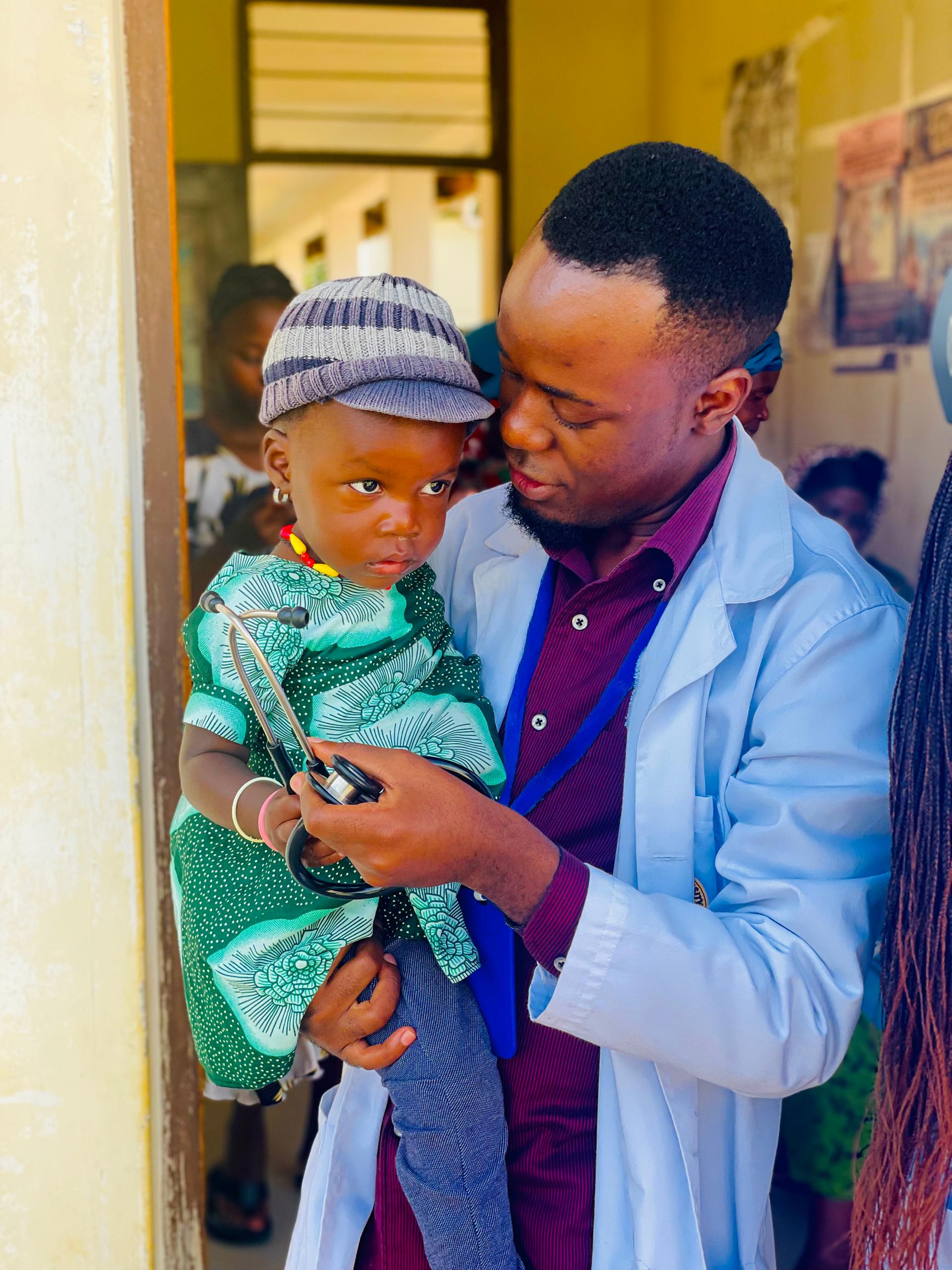
Delivering basic health services, referral support, and essential health information directly to underserved and vulnerable households across Ukerewe Island and Mwanza region.
Climate Co-Benefit: Outreach includes environmental health messaging — helping communities connect their health with the condition of their local environment.
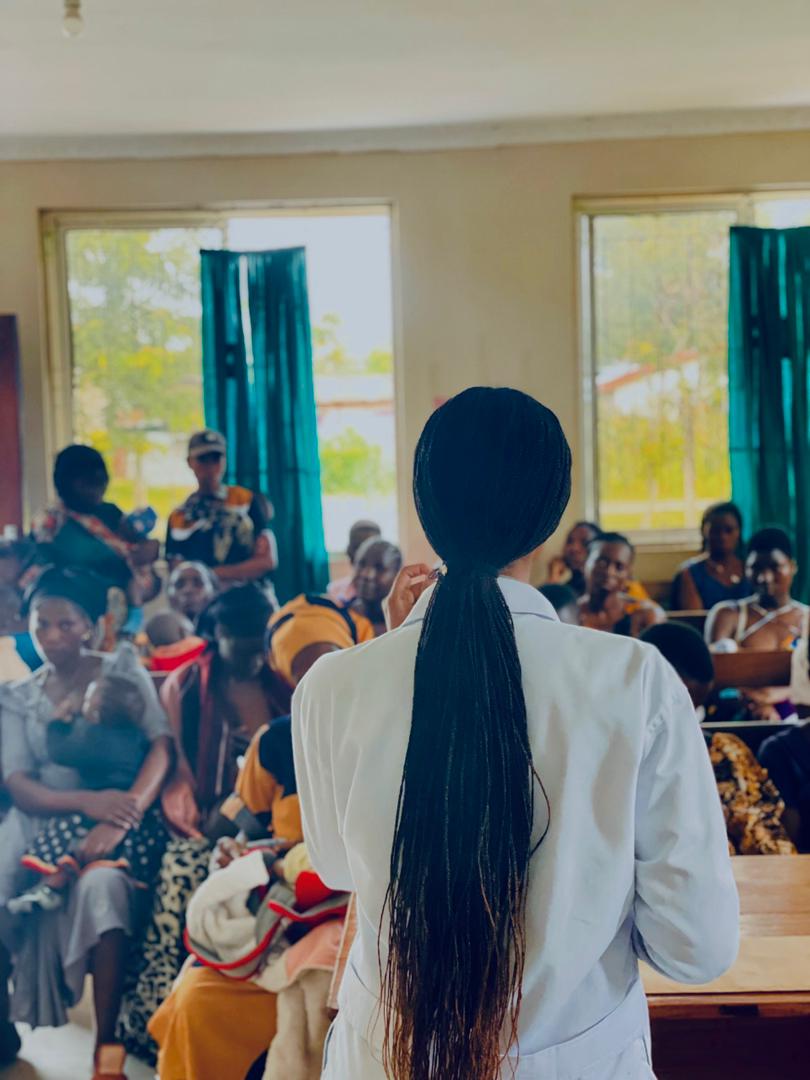
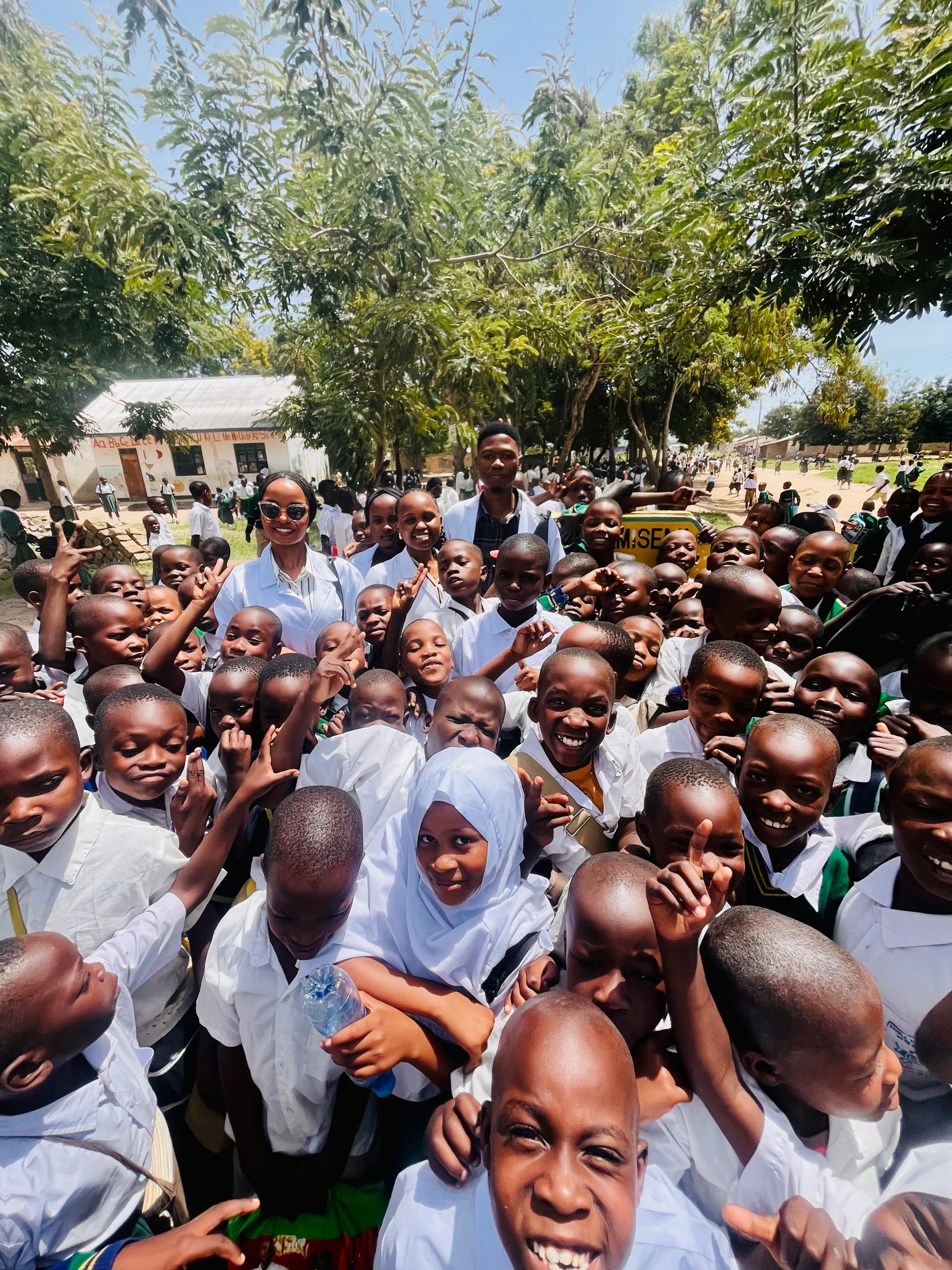
Community sessions and school programs on disease prevention, healthy lifestyles, environmental health, climate-related health risks, and menstrual health for girls and women.
Climate Co-Benefit: Health educators integrate climate awareness, helping communities understand how environmental change affects their bodies and families.
Promoting equitable access to essential health services through outreach, community education, referral support, and health financing linkage — leaving no one behind.
Climate Co-Benefit: Climate-resilient health systems that reach every community are better able to respond to emerging climate-driven health risks.
Community-level prevention, awareness campaigns, and early screening for non-communicable diseases (diabetes, hypertension, cancer) and communicable diseases worsened by environmental factors.
Climate Co-Benefit: Many NCDs are worsened by air pollution, contaminated water, and heat — addressing these environmental drivers also reduces disease burden.
A structured annual fellowship that equips emerging Tanzanian leaders to design, pitch, and implement solutions at the intersection of climate and health — then funds the best idea.
An annual residential program training emerging Tanzanian changemakers to design community-driven solutions at the intersection of climate change and public health — and funding the best idea to launch.
Sustainability Model: Backed by a fish farming (aquaculture) social enterprise — profits fund future fellowship cohorts, reducing long-term donor dependency.
Our integrated model means every climate program generates a direct health benefit — and every health program is rooted in environmental stewardship.
Everything we do is guided by these four principles.
Communities design, lead, and own the programs we run. We facilitate — they decide.
Programs grounded in research, local data, and continuous learning to ensure real impact.
Women, girls, and marginalised groups are centred in all program design and delivery.
Climate and health addressed together — because the problems are connected, so are the solutions.